Русский
 Bahasa Indonesia
 Việt
Việt
 Español


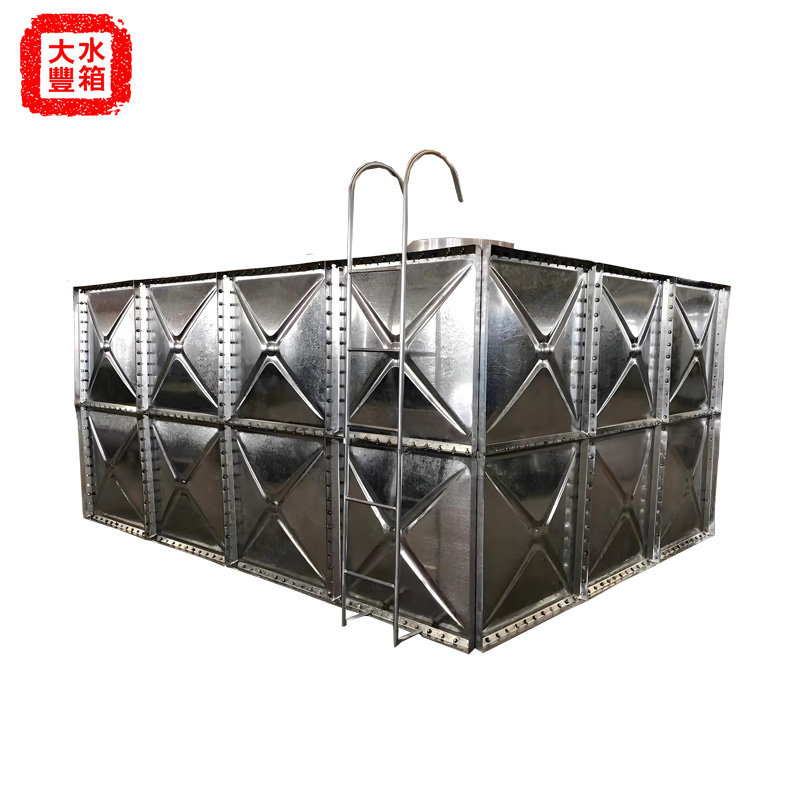
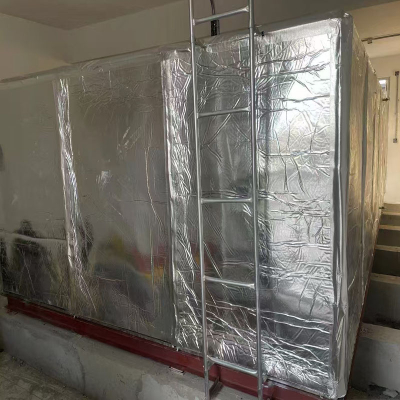
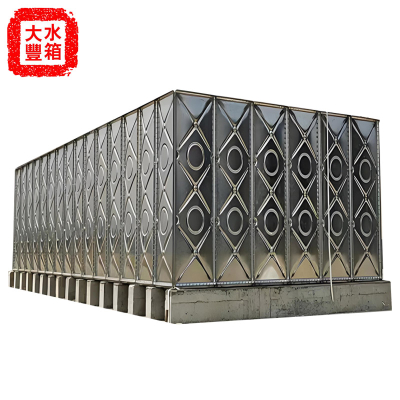
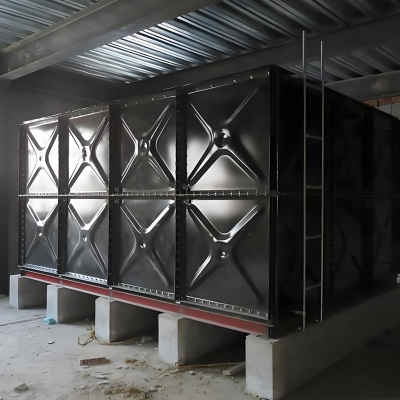
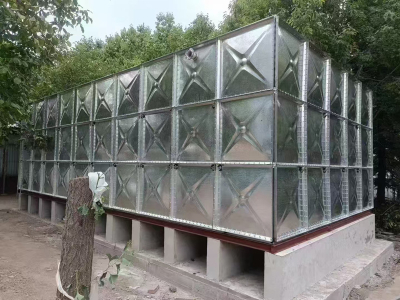
Hot Dip Galvanized Fire Water Tank
Common knowledge of galvanized steel plate water tank production process:
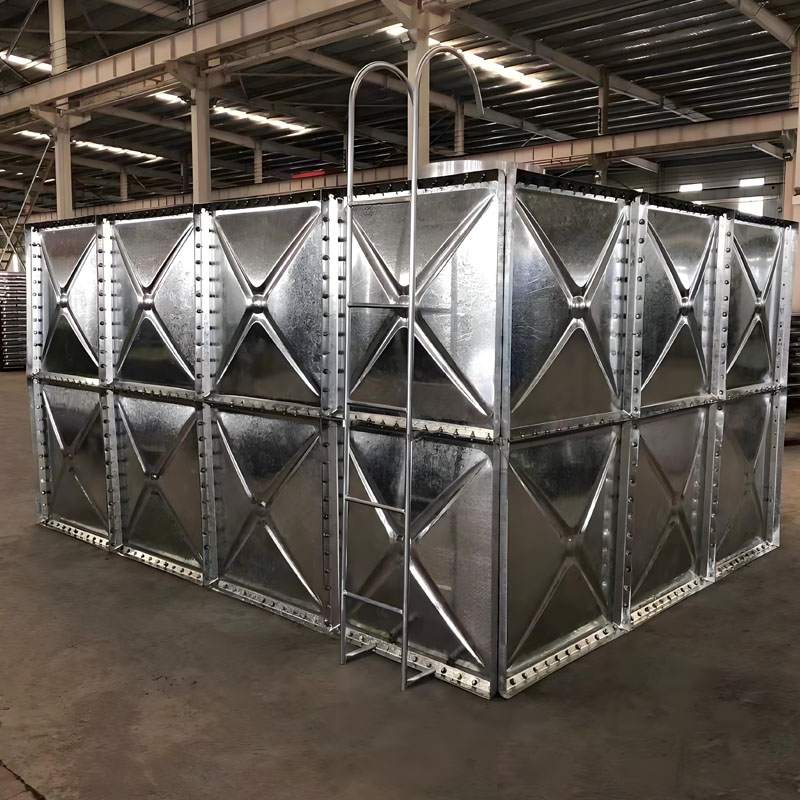
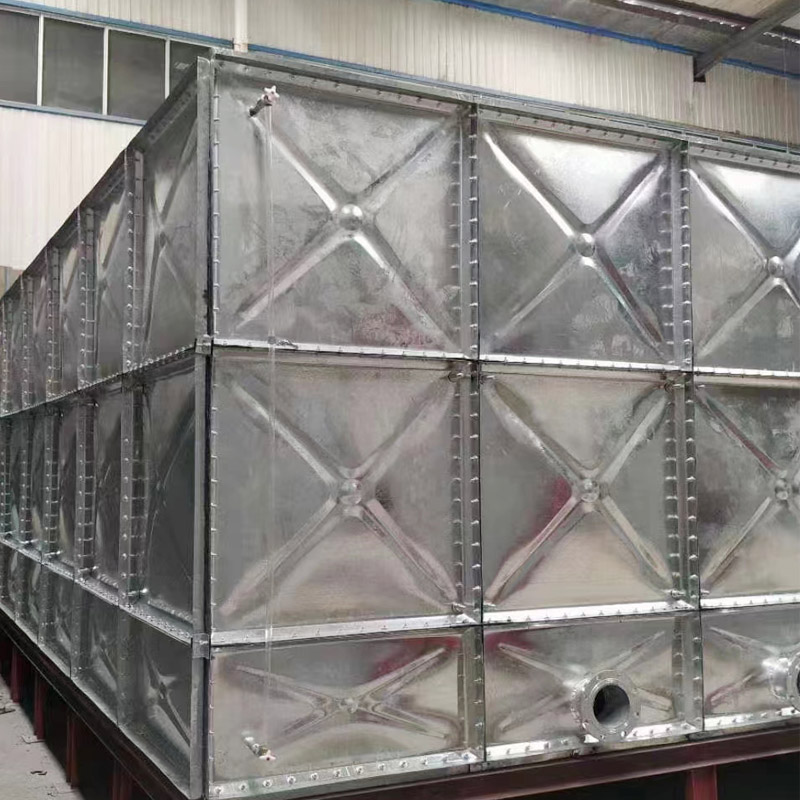
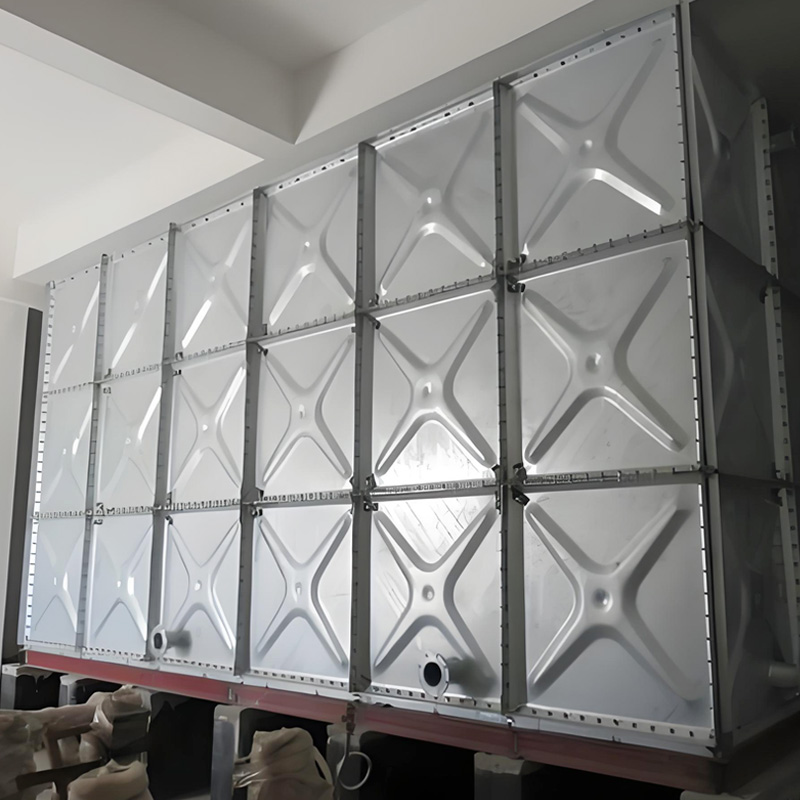
Galvanized steel plate water tank refers to coating a protective film on metal parts such as galvanized steel plate water tank. Galvanization has two purposes:
1、 Increase and improve conductivity,
2、 Prevent oxidation and enhance corrosion resistance.
It is now widely used in the processing of building materials industry. To increase the overall lifespan of the water tank, the galvanized metal components of the water tank are used in various environments
Under environmental conditions, the lifespan of metal components can be extended by 3-5 years compared to those that have not been galvanized.
In some commonly operated work processes in the industry, many masters can proficiently operate them and produce high-quality craft products, but many galvanizing masters in the industry are skilled in one
Some common knowledge words about galvanizing cannot be understood in detail. Here are some common sense terms and definitions for everyone to understand:
1.Dispersal ability
It refers to the ability to evenly distribute deposited metal on the surface of cathode components under certain electrolysis conditions.
2. Leveling ability
The ability of the plating solution to make the micro profile of the coating smoother than that of the substrate surface when forming a coating on a metal surface. It expresses the uniformity of coating distribution on surfaces where the roughness of the base metal is relatively small, the depth of the wave cavity is less than 0.5mm, and the distance between the peaks and valleys is very small.
3. Coverage capability
It is an important performance indicator of plating solution, which refers to the ability to fully cover the surface of the cathode part with deposited metal under certain electrolytic conditions, that is, the ability to deposit metal coating in grooves or deep holes under specific conditions. It refers to the completeness of the distribution of the coating on the part.
4. Current efficiency
The ratio of the amount of electricity used to deposit metal to the total electricity is called the current efficiency of electroplating.
5. Cathodic polarization degree
Cathodic polarization degree refers to the slope of the cathodic polarization curve, which is the degree to which the cathodic potential changes with the variation of cathodic current density.
6. Pinholes or pockmarks
Hydrogen gas adheres to the cathode surface in the form of bubbles, preventing metal deposition in these areas. It can only deposit around the bubbles. If hydrogen bubbles remain on the cathode surface throughout the electroplating process, the plated layer will have voids or through gaps; If hydrogen bubbles do not adhere firmly during the electroplating process and instead intermittently escape and adhere, these areas will form shallow pits or pits, commonly referred to as pinholes or pockmarks in the electroplating industry.
7. Hydrogen embrittlement
After the reduction of hydrogen ions at the cathode, some form hydrogen gas and escape, while others infiltrate the base metal (especially high-strength metal materials) and coating in the form of atomic hydrogen, causing a decrease in the toughness of the base metal and coating and becoming brittle. This phenomenon is called "hydrogen embrittlement".
Article summary: For some masters who have been working in the electroplating industry for several years or even decades, their abilities are sufficient to handle all the work in the industry. However, in order to continuously improve, it is necessary to constantly develop and research knowledge within the industry, summarize commonly used or encountered problems, solutions, and experiences, and pass them on to younger generations through various channels for learning. This is the greatest contribution to society.